

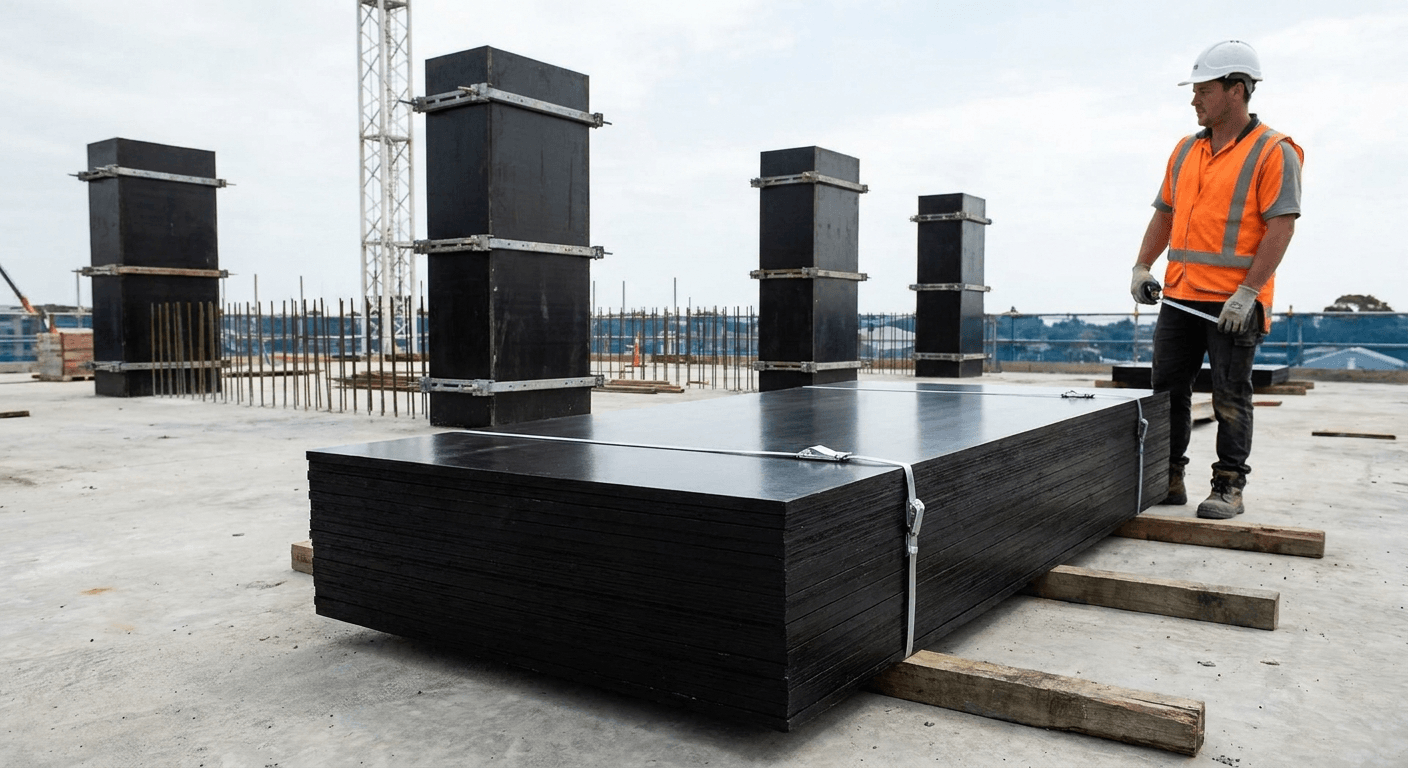
Choosing the right sheet goods can make or break a concrete cycle, especially when the same panels are expected to survive multiple strikes, handling, and cleaning. This guide compares the most common options and explains what actually drives reuse on site, with a focus on Formwork Plywood Grades Compared for Repeat Pours.
For crews chasing consistent finishes and predictable costs, Formwork Plywood Grades Compared for Repeat Pours comes down to film quality, core integrity, edge sealing, and how well panels are protected between pours. Done well, Formwork Plywood Grades Compared for Repeat Pours helps reduce patching, blowouts, and early panel retirement.
What do “grades” really mean in formwork plywood?
Grades usually describe face quality, core composition, and bond durability, not just appearance. For repeat pours, what matters most is the glue line, void control in the core, and the toughness of the overlay film.
When people discuss Formwork Plywood Grades Compared for Repeat Pours, they are often mixing visual face grades with structural and durability ratings. The best choice is the one that matches the pour count target and the handling reality on their job.
Which plywood types are most common for repeat pours?
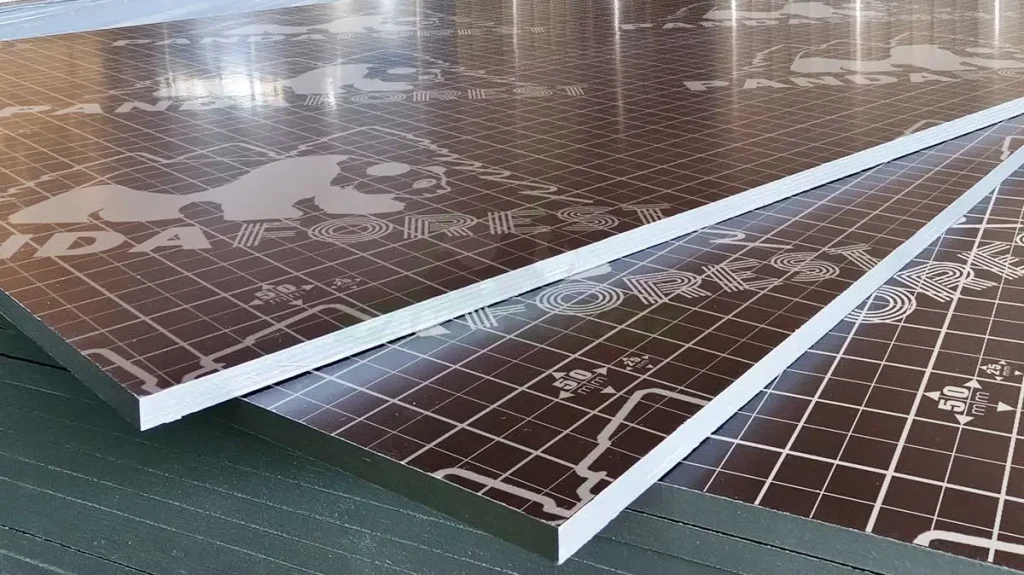
The most common types are film faced plywood, plastic faced plywood, and phenolic overlaid plywood, with variations in core species and adhesive systems. Each is sold in multiple grades that affect how long it lasts.
In Formwork Plywood Grades Compared for Repeat Pours, film faced panels dominate because they are widely available and deliver a good balance of finish quality and reuse when treated properly. Plastic faced can win on durability, but it can cost more up front.
How does film faced plywood grade affect reuse?
Higher-grade film faced plywood typically uses thicker phenolic film, tighter core tolerances, and better edge sealing. That combination delays face wear, reduces water ingress, and helps the panel stay flatter.
For Formwork Plywood Grades Compared for Repeat Pours, the key is whether the film resists abrasion from vibrators and scraping, and whether the core has minimal voids. If moisture reaches the core, the pour count usually collapses regardless of face grade.
What is the difference between hardwood core and mixed core for repeat pours?
Hardwood core generally offers better screw holding, impact resistance, and reduced crushing at fixing points. Mixed core can be fine for short runs but may show earlier edge breakdown and surface telegraphing.
When looking at Formwork Plywood Grades Compared for Repeat Pours, hardwood core panels tend to deliver more reliable reuse in real site conditions. Mixed core sheets can still perform if they are handled gently, sealed well, and kept out of standing water.
How important is the glue bond rating for repeat pours?
It is critical because glue bond controls delamination under wetting, drying, and heat cycling. Exterior-grade phenolic bonds usually outperform interior bonds by a wide margin.
In Formwork Plywood Grades Compared for Repeat Pours, panels bonded to exterior or boil-proof standards are far more likely to survive repeated wash-downs and wet weather exposure. If the bond is weak, these panels may blister or separate after only a few cycles.
Does face finish quality matter if they only care about reuse?
Yes, because face finish affects both concrete appearance and how easily the panel cleans between pours. A smoother, tougher face usually strips cleaner and reduces scraping damage.
For Formwork Plywood Grades Compared for Repeat Pours, a better face often means less time spent chiselling off residue and less risk of gouging the film. That said, if they are forming hidden structural elements, a mid-tier face can be acceptable if the core and bond are strong.
How do edge sealing and panel protection change pour counts?
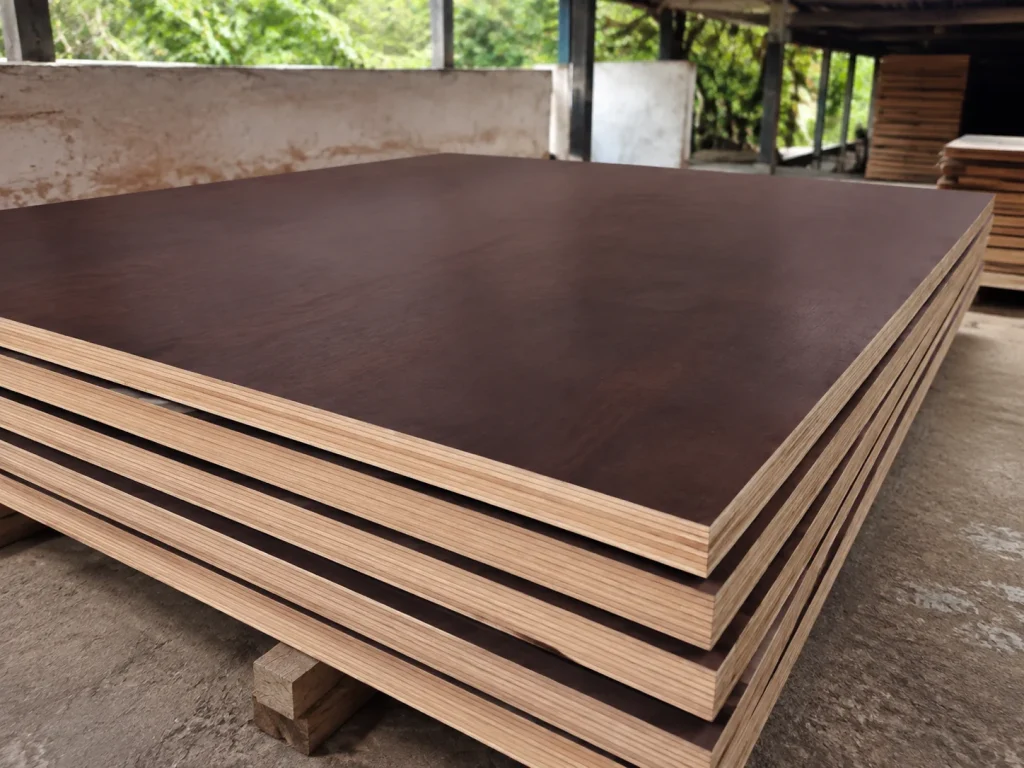
Edge sealing can be the difference between a panel lasting a handful of pours or several dozen. Most early failures start at damaged edges where water enters and the core swells.
In Formwork Plywood Grades Compared for Repeat Pours, they should treat edge paint as a maintenance item, not a one-time factory feature. If edges get nicked, resealing promptly and keeping panels stored off the ground usually adds more reuse than upgrading one face grade level.
Which grades suit low, medium, and high repeat pour targets?
Low repeat targets often suit entry film faced sheets with basic sealing and a mixed core, if they are budget-driven. Medium targets usually need better film, tighter core quality, and reliable exterior bonding. High targets typically justify premium film faced or plastic faced panels with hardwood core and strong edge protection.
When comparing options using Formwork Plywood Grades Compared for Repeat Pours, the honest target pour count should guide the spend. Paying for premium panels only works if their crew practices disciplined handling, cleaning, and storage.
What should they check before buying for repeat pours?
They should check film thickness, stated bond class, core species, edge seal quality, and manufacturer consistency. They should also confirm sheet thickness tolerance, because variation can cause steps at joints and increase patching.
For Formwork Plywood Grades Compared for Repeat Pours, it helps to request sample sheets and track pours on a small section of the job. If one batch performs differently from another, that signals inconsistent core quality or overlay control.
How can they extend the life of any grade on site?
They can extend life by using release agents correctly, avoiding aggressive scraping, patching face damage early, and resealing edges after trimming. They can also reduce impact damage by lifting properly and avoiding dragging sheets across reo or concrete.
In Formwork Plywood Grades Compared for Repeat Pours, site practices often explain more variation than the nominal grade. Even top-tier panels can fail early if they are left soaking, struck roughly, or cleaned with tools that cut through the film.
What does the cost-to-reuse trade-off look like for repeat pours?
The cheapest sheet is rarely the lowest cost per pour, especially when labour for patching and cleaning is included. A higher grade can be cheaper over the job if it reduces blowouts, rework, and replacement frequency.
For Formwork Plywood Grades Compared for Repeat Pours, they should compare £ per usable pour rather than £ per sheet. If a £90 panel reliably hits 25 pours while a £60 panel dies at 10, the higher grade usually wins, even before labour and finish quality are counted.
Which option is best for Formwork Plywood Grades Compared for Repeat Pours?
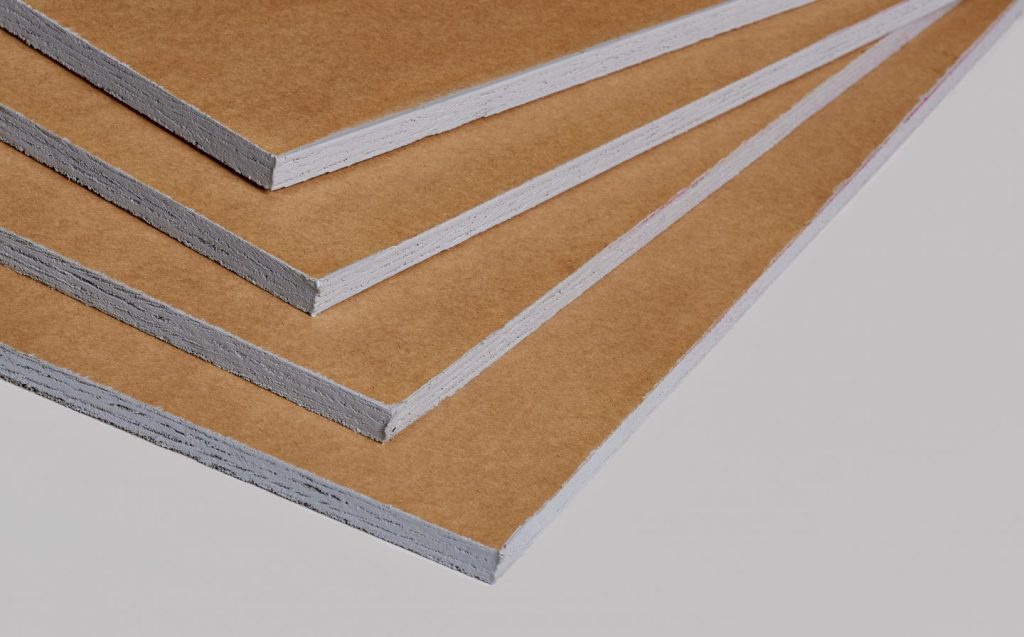
There is no universal best, but the best fit is the panel that matches their target pours, finish needs, and handling discipline. Premium film-faced or plastic-faced panels often make sense for high-cycling wall and table formwork, while mid-tier film-faced suits shorter programmes.
In practice, Formwork Plywood Grades Compared for Repeat Pours rewards buyers who look beyond labels and focus on bond durability, core void control, film toughness, and edge maintenance. When those are aligned, their panels tend to last longer, strip cleaner, and produce more consistent results across repeat pours.
FAQs (Frequently Asked Questions)
What do ‘grades’ mean in formwork plywood for repeat pours?
Grades in formwork plywood typically describe face quality, core composition, and bond durability rather than just appearance. For repeat pours, the critical factors are the glue line strength, void control within the core, and the toughness of the overlay film. Selecting the right grade depends on your target number of pours and how panels will be handled on site.
Which types of plywood are most common for repeat concrete pours?
The most common plywood types for repeat pours include film faced plywood, plastic faced plywood, and phenolic overlaid plywood. Film faced plywood panels dominate due to their wide availability and balance of finish quality and reusability when properly maintained. Plastic faced panels offer superior durability but come with higher upfront costs.
How does the grade of film faced plywood affect its reuse potential?
Higher-grade film faced plywood usually features thicker phenolic film, tighter core tolerances, and improved edge sealing. These attributes help delay face wear, reduce water ingress, and maintain panel flatness. Crucially, the film must resist abrasion from vibrators and scraping to maximize reuse; moisture penetration into the core significantly reduces pour counts regardless of face grade.
Why is glue bond rating important for formwork plywood used in repeat pours?
Glue bond rating is vital because it determines resistance to delamination caused by wetting, drying, and heat cycling. Exterior-grade phenolic bonds outperform interior bonds substantially. Panels bonded to exterior or boil-proof standards are more likely to withstand repeated wash-downs and exposure to wet weather without blistering or separation.
How do edge sealing and proper panel protection influence the number of repeat pours?
Edge sealing is crucial as most early panel failures begin at damaged edges where water infiltrates causing core swelling. Treating edge paint as a maintenance item—promptly resealing nicks and storing panels off the ground—can significantly increase reuse beyond what upgrading face grade alone achieves.
What site practices can extend the life of any formwork plywood grade during repeat pours?
Extending panel life involves correct use of release agents, avoiding aggressive scraping, promptly patching face damage, resealing edges after trimming, lifting sheets properly, and preventing dragging over reinforcement or concrete. Proper handling and cleaning often impact panel longevity more than nominal grade alone.
More to read: How a Financial Planner Melbourne Can Turn Money Strategy Into a Long-Term Business Advantage